Private Boat for Magh Mela Snan Family & Senior Guide , Picture this: You’re standing at the edge of one of the world’s largest religious gatherings, wanting to take a holy dip at the Sangam where three sacred rivers meet. But there’s one problem—millions of others have the same intention. The thought of navigating through massive crowds, slippery ghats, and strong river currents with your elderly parents or young children feels overwhelming, doesn’t it?
This is where private boat services for Magh Mela snan have emerged as a blessing for families and senior citizens. These services offer a dignified, safe, and peaceful way to perform the sacred ritual without compromising on spiritual significance or physical well-being. Instead of struggling through crowds on packed bathing ghats, you board a private boat that takes you directly to the Sangam, where you can bathe in relative privacy and comfort.
The concept has gained tremendous popularity over recent years as more pilgrims recognize that devotion doesn’t require suffering. A private boat transforms what could be a stressful ordeal into a serene spiritual experience, especially for those who might otherwise find the traditional bathing process impossible or unsafe.
Understanding the Sangam Bathing Experience
Spiritual Significance of Bathing at the Confluence
Private Boat for Magh Mela Snan Family & Senior Guide ,The Sangam at Prayagraj represents one of Hinduism’s most sacred locations. Here, the visible Ganga and Yamuna rivers meet the invisible, mythical Saraswati. Taking a dip at this confluence, particularly during Magh month, is believed to cleanse sins accumulated over lifetimes and grant spiritual merit. Ancient scriptures describe this act as opening doors to moksha—liberation from the cycle of birth and death.
For devoted Hindus, this isn’t just a ritual; it’s a profound spiritual milestone. Many save their entire lives for this pilgrimage. The water itself is considered spiritually charged, especially during auspicious planetary alignments that occur during Magh Mela. This explains why pilgrims are willing to face extraordinary challenges to immerse themselves in these holy waters.
The Crowd Challenge During Magh Mela
Magh Mela attracts over 10-15 million pilgrims during the entire month, with numbers swelling to several million on single auspicious days like Makar Sankranti or Mauni Amavasya. Imagine standing in a sea of humanity, all moving toward the same bathing spots. The ghats become incredibly crowded, with pilgrims waiting hours for their turn to reach the water’s edge.
The physical challenges are real: slippery stone steps, strong currents, limited space, and the constant press of crowds. For elderly people with mobility issues, those with disabilities, families with small children, or anyone with health concerns, these conditions can transform a sacred experience into a dangerous or impossible one.
Why Accessibility Matters
Spirituality should be accessible to everyone, regardless of age or physical capability. A 75-year-old devotee’s faith isn’t less meaningful than a 25-year-old’s, yet the traditional bathing setup heavily favors the young and physically fit. Private boat services democratize this sacred experience, ensuring that grandparents can fulfill their spiritual aspirations safely, mothers can protect their children while performing rituals, and people with disabilities can participate fully in this ancient tradition.
What is a Private Boat Service for Magh Mela?
A private boat service provides exclusive access to a boat that takes you and your group directly onto the river to the Sangam confluence point. Unlike the public bathing areas on crowded ghats, you board a boat from a designated point, sail to the exact spot where the rivers meet, and perform your ritual bath directly from the boat into the sacred waters.
The boat remains exclusively yours for the duration of your booking—typically 1-2 hours—giving you unhurried time to perform prayers, take your holy dip, and even conduct specific rituals with proper attention and reverence. The boat operator, familiar with river navigation and spiritual practices, ensures you reach the most auspicious spot for bathing while maintaining complete safety.
Think of it as the difference between taking public transportation during rush hour versus having a private vehicle. Both reach the destination, but the experience differs dramatically in terms of comfort, control, and stress levels.
Benefits of Choosing a Private Boat for Snan
Safety and Security for Families
Safety concerns top every parent’s list when bringing children to massive gatherings. Private boats eliminate many risks associated with crowded ghats. There’s no danger of children getting separated in crowds, slipping on wet steps, or being pushed into deep water by the press of people. The boat provides a controlled environment where you can watch over your family members constantly.
Experienced boat operators understand river currents, water depth variations, and safe bathing spots. They anchor at appropriate locations where water depth is suitable for bathing but not dangerously deep. Life jackets are provided, and the operator remains vigilant throughout your stay on the water.
Ideal Solution for Senior Citizens
For elderly pilgrims, private boats are often the difference between fulfilling a lifelong dream or having to give up. Climbing down steep, slippery ghat steps, standing for long periods in queues, and navigating through pushing crowds becomes nearly impossible with age-related mobility limitations, arthritis, or balance issues.
From a private boat, seniors can take their holy dip with minimal physical exertion. The boat comes to a stable position in the water, chairs or seating is available for resting, and assisting hands help them enter and exit the water safely. Many operators even provide special steps or platforms that make the bathing process easier for those with limited mobility.
Privacy and Dignity During Rituals
Religious rituals are deeply personal. Many devotees prefer performing them with some degree of privacy rather than in full public view with thousands surrounding them. Women especially appreciate the privacy that boats provide, allowing them to bathe and change with dignity using the screening arrangements many boats offer.
Family rituals, prayers, and even emotional moments of spiritual connection happen more naturally when you’re not constantly jostled by strangers or rushing to make space for others. The boat becomes your personal sacred space on the holy waters for those precious hours.
Avoiding the Stampede Risk
Tragically, stampedes have occurred at various religious gatherings when massive crowds move in panic or when space becomes critically overcrowded. During peak bathing hours at Magh Mela, crowd density can reach alarming levels. For families, seniors, or anyone vulnerable, avoiding these dangerous crush situations is paramount.
Private boats completely bypass this risk. You’re never in the midst of those dense crowds. Your interaction with crowds is limited to brief moments during boarding and disembarking at much less crowded locations. This single factor alone makes private boats worthwhile for many families.
How Private Boat Services Work
Booking Process
Most reputable boat operators now accept advance bookings, either through their websites, phone numbers, or through tour operators and camp providers. You select your preferred date and time slot (early morning slots are most popular for auspicious bathing), specify the number of people in your group, and mention any special requirements like extra assistance for seniors or accommodation for disabled persons.
Payment usually involves an advance deposit with the balance due before boarding. Confirm what’s included in your booking: Is the operator providing life jackets? Are there seating arrangements? How long is your time slot? Getting clarity upfront prevents disappointments later.
Meeting Points and Timing
On your scheduled day, you’ll meet at a designated boarding point—typically a less crowded ghat or a special jetty reserved for private boat operations. These locations are communicated clearly during booking. Operators usually ask you to arrive 15-20 minutes before your scheduled departure for a safety briefing and life jacket fitting.
Timing is crucial. Early morning slots (4 AM to 7 AM) are preferred for both spiritual reasons (brahma muhurta is considered most auspicious) and practical ones (fewer boats on the water, calmer conditions). During major bathing dates, you might need to book even earlier time slots to ensure a peaceful experience.
Journey to the Sangam
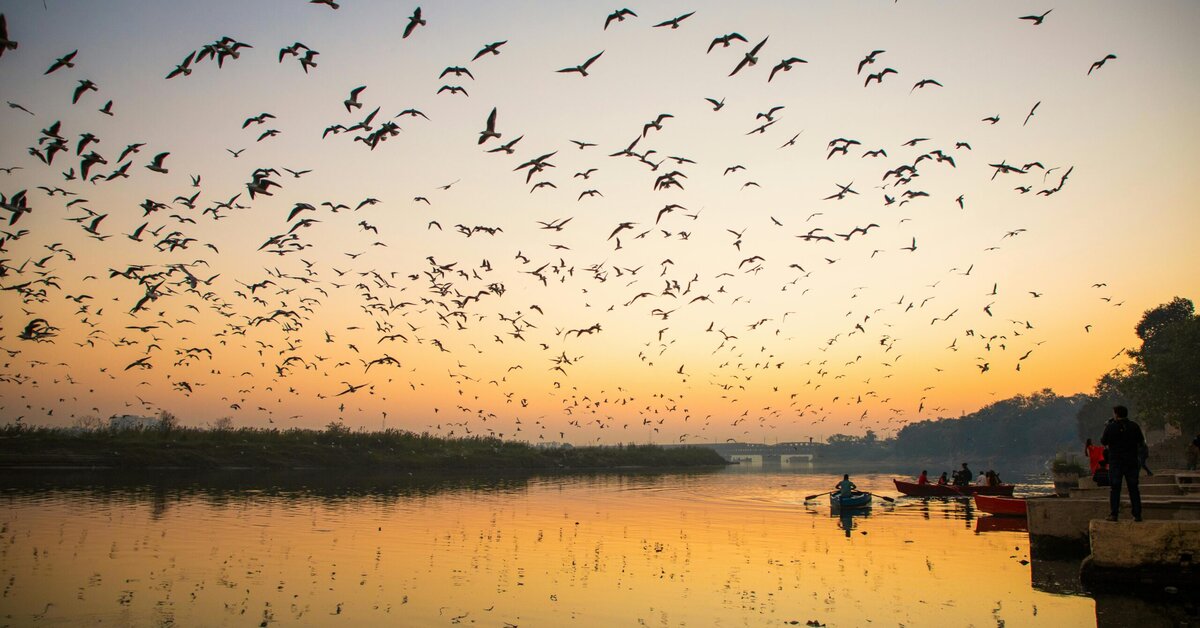
The boat journey itself takes 15-30 minutes depending on your starting point and river conditions. As you glide over the sacred waters in the pre-dawn darkness or early morning light, there’s something magical about the experience. You can see the vast mela grounds from the river perspective, witness countless lamps floating on the water, and hear the distant sounds of prayers and bells.
Your operator navigates to the Sangam—you can actually see where the different colored waters of the Ganga and Yamuna meet, creating a visible line of distinction. It’s a breathtaking sight that photographs can’t capture adequately. The boat anchors at this sacred confluence, and your ritual bathing can begin.
Bathing Procedure from the Boat
Most people worry about how exactly bathing happens from a boat. It’s simpler than you think. The boat has platforms or steps on the sides that let you safely descend into the water while holding support rails. You can go waist-deep, neck-deep, or just dip your head—whatever feels comfortable and appropriate for your ritual requirements.
Many devotees perform three dips, reciting prayers with each immersion. The boat provides stability and support throughout. After completing your bath, you climb back onto the boat where dry clothes and towels are available (if you’ve brought them). Some operators provide screening arrangements or small changing areas on larger boats. The entire bathing duration typically lasts 20-40 minutes, after which the boat returns you to the boarding point.
Special Considerations for Senior Citizens
Mobility and Physical Limitations
Age brings wisdom but sometimes reduces physical agility. Private boat services specifically design accommodations for senior citizens. When booking, mention if your elderly family members use walking aids, have joint problems, or need assistance with movement. Better operators provide:
- Low-step boarding platforms or ramps
- Sturdy handrails throughout the boat
- Comfortable chairs for sitting during the journey
- Personal assistance from trained staff during boarding, bathing, and disembarking
- Slower-paced service with no rushing
Some premium services even offer boats with small enclosed cabins where seniors can rest or change clothes with complete privacy and comfort.
Health and Safety Precautions
Before taking elderly family members for boat-based bathing, consider their health status. Those with serious heart conditions, very high blood pressure, severe respiratory issues, or recent surgeries should consult doctors beforehand. The cold water in January-February can be shocking to the system, even though the spiritual benefits are believed to be immense.
Smart precautions include:
- Having seniors wear warm, layered clothing that’s easy to remove and put back
- Bringing any essential medications on board
- Ensuring they don’t immerse on completely empty stomachs (light food 30-45 minutes before is ideal)
- Not forcing full immersion if they’re uncomfortable—even touching the sacred water to one’s head is considered valid
- Planning the boat trip during slightly warmer midday hours rather than freezing dawn if health is fragile
Medical Support Availability
Ask your boat operator about emergency protocols. Do they have communication devices to call for help if needed? Are they trained in basic first aid? Some premium services actually have paramedics on call or basic medical kits on board.
Additionally, know the location of the nearest medical facility from your boarding point. Quick access to help in case of any health emergency provides peace of mind, allowing everyone to focus on the spiritual experience rather than worry constantly.
Comfortable Seating and Assistance
The journey to and from the Sangam might take 30-60 minutes total. Comfortable seating matters, especially for seniors who might have back problems or tire easily from standing. Ensure the boat you’re booking has adequate padded seating or at least cushions.
Assistance during the actual bathing is perhaps most crucial. A strong, patient attendant who can support your elderly parent or grandparent while they enter the water, ensure they don’t slip, help them balance against currents, and assist them back onto the boat safely is invaluable. This human touch makes the experience not just possible but genuinely peaceful and dignified for seniors.
Family-Friendly Features of Private Boats
Accommodating Children
Bringing children to Magh Mela adds another layer of consideration. Private boats work wonderfully for families with kids because the controlled environment reduces countless parental worries. Children can’t wander off and get lost. The swimming-pool-like experience of bathing from a boat actually excites kids rather than scares them, turning a religious ritual into an adventure they’ll remember.
Smaller children who can’t swim should definitely wear life jackets throughout the boat ride. Many operators provide child-sized life jackets. Bring snacks and water for children as the early morning outing might make them hungry, and having familiar foods helps keep them comfortable and cooperative.
Privacy for Women and Families
Cultural sensitivity matters deeply during religious rituals. Women appreciate private boats for the respectful environment they provide. There’s no concern about bathing in modest clothing while surrounded by strangers. Some boats offer curtained areas or temporary screening where women can change into dry clothes after bathing.
For families performing traditional rituals that require specific preparations or procedures, the private boat becomes your temporary ritual space. You can carry your puja items, take your time with prayers, and involve all family members in the ceremony without external interference or time pressure.
Space for Belongings and Dry Clothes
One practical headache at public bathing ghats is managing belongings. Where do you keep your dry clothes, valuables, phones, and other items while bathing? Worrying about theft or losing things in the crowds diminishes the spiritual focus.
Private boats have designated spaces for belongings. You can safely store your bags, keep dry clothes ready for immediate change after bathing, and even bring cameras or phones to capture the experience without fear of loss or damage. This seemingly small convenience significantly enhances the overall experience.
Photography and Memory Making
While spirituality is the primary purpose, creating memories matters too, especially when multiple generations participate together. Private boats allow you to photograph the Sangam, capture family moments, and document this significant spiritual milestone without rushing or worrying about crowds photo-bombing every shot.
The sunrise over the Sangam, with mist rising from the rivers and thousands of lamps floating on the water, creates magical photography opportunities. From your private boat, you get unobstructed views that make for stunning, memorable photographs to treasure for generations.
Types of Private Boats Available
Basic Private Boats
Standard private boats are typically rowing boats or small motor boats accommodating 4-8 people. They’re simple but functional, with basic seating, life jackets, and a knowledgeable operator. These boats focus on the essential service—getting you to the Sangam safely and giving you private space for bathing—without luxury additions.
Basic boats are perfectly adequate for most families. They’re more affordable while still providing all the safety and privacy benefits that make private boat services worthwhile. The spiritual experience is identical regardless of boat luxury level.
Luxury Boat Options
Premium operators offer larger, more comfortable boats with amenities like:
- Cushioned seating and canopy covers for sun/rain protection
- Enclosed changing areas or small cabins
- Better stability (less rocking) due to size
- Refreshments and snacks provided
- Professional photography services
- More spacious decks allowing easier movement
Luxury boats typically accommodate 10-15 people and are ideal for extended families or groups traveling together. The additional comfort justifies the higher cost for those who can afford it, especially when elderly members or children are part of the group.
Capacity and Group Sizes
Most private boats accommodate 4-12 people comfortably. When booking, be honest about your group size. Overloading boats compromises safety and defeats the purpose of having private space. If your family group is larger, consider booking two boats or looking for operators with bigger vessels.
Some operators offer shared private boats where multiple families book separate time slots on the same day, reducing costs slightly while still maintaining privacy during your individual bathing time. Clarify exactly what arrangement you’re booking to avoid surprises.
Cost Analysis: Is a Private Boat Worth It?
Let’s talk about the financial aspect honestly. Private boat services typically cost between ₹2,000 to ₹10,000 depending on boat type, duration, date (peak vs. regular days), and inclusions. For a family of five, that might mean ₹400-2,000 per person for a couple of hours.
Compare this with the “free” option of bathing from public ghats. Yes, it’s free monetarily, but what’s the cost in other terms? Hours spent in queues, potential safety risks, tremendous physical exhaustion for seniors, stress of managing children in crowds, and possibly having to give up on the bath altogether if conditions prove overwhelming.
For families with seniors, young children, or anyone with health concerns, the private boat isn’t just worth it—it’s often the only realistic option. The monetary cost becomes irrelevant when weighed against the fulfillment of a deeply important spiritual goal.
For fit, young pilgrims traveling alone who see the crowds and physical challenge as part of the authentic experience, public bathing might be perfectly fine. But for families where the priority is ensuring everyone—regardless of age or ability—can participate safely and peacefully in this sacred tradition, private boats offer tremendous value.
Many families find creative ways to make it affordable: extended families split the cost, making per-person expenses reasonable. The memory of taking grandparents for their dream pilgrimage in comfort and safety? That’s genuinely priceless.
Safety Measures and Life Jacket Requirements
Boat Safety Standards
Not all boat operators maintain equal safety standards. Before booking, verify that the operator is licensed by local authorities for operating during Magh Mela. Licensed operators must meet safety requirements including boat condition inspections, operator training, and capacity limits.
Check the boat’s condition if possible. Look for obvious signs of good maintenance: solid structure, functioning motor (for motorboats), proper rowing equipment, and no visible damage or leaks. Don’t hesitate to ask about the boat’s safety certification and the operator’s experience level.
Life Jackets and Flotation Devices
This is non-negotiable: everyone on the boat should wear properly fitted life jackets, especially non-swimmers and children. Reputable operators provide Coast Guard-approved life jackets in various sizes including for children.
Even if you’re a confident swimmer, wear the life jacket. River currents can be unpredictable, and you’re in unfamiliar waters. Life jackets also provide warmth during cold winter months. For seniors with limited mobility, life jackets provide crucial buoyancy that makes the bathing process much easier and safer.
Emergency Protocols
Ask your operator about emergency procedures. What happens if the weather suddenly worsens? How do they handle medical emergencies on water? What communication systems do they have? Responsible operators have clear protocols including:
- Waterproof communication devices (radio or mobile phones in waterproof cases)
- Knowledge of nearest medical assistance points
- Training in water rescue techniques
- Contingency plans for weather changes
- Emergency contact information for mela authorities
Knowing these protocols exist provides peace of mind even though you’ll likely never need them.
Weather Considerations
January and February weather in Prayagraj can be unpredictable. Cold is expected, but fog, wind, or occasional rain also occur. Dense fog can reduce visibility significantly, making navigation challenging. Strong winds create waves that make smaller boats unstable.
Reputable operators postpone trips during adverse conditions. While this might frustrate you if you have limited time, safety must take precedence. Build flexibility into your plans by not scheduling your boat ride for your only available time slot. Having a backup date option accommodates weather-related cancellations.
Best Timing for Private Boat Snan
Peak vs. Off-Peak Hours
Early morning hours (4 AM to 8 AM) represent peak demand for boat services, especially on major bathing dates. This timing aligns with auspicious brahma muhurta (pre-dawn) hours when spiritual benefits are believed to be maximum. The sunrise over the Sangam during these hours is breathtaking.
However, midday slots (10 AM to 2 PM) offer advantages: warmer temperatures (important for seniors and children), better visibility, generally calmer water conditions, and sometimes lower prices due to reduced demand. If the most auspicious timing isn’t critical for you, consider these off-peak hours.
Late afternoon (3 PM to 5 PM) brings beautiful golden-hour lighting perfect for photography and comfortable temperatures. However, some traditionalists prefer completing sacred baths before noon.
Auspicious Bathing Times
If you’re particular about astrologically auspicious timings, consult a panchang (Hindu calendar) or knowledgeable priest for the most beneficial times on your chosen date. On major days like Makar Sankranti or Mauni Amavasya, specific morning hours are considered most powerful spiritually.
However, remember that the spiritual merit of bathing at the Sangam during the entire Magh month is significant. Don’t stress excessively about minute-perfect timing at the cost of safety and comfort, especially when traveling with vulnerable family members.
Avoiding Maximum Crowds
If your goal includes minimizing boat traffic on the water for a more peaceful experience, avoid the hours immediately after dawn on major bathing dates. This is when maximum numbers of boats and pilgrims are on the water. Instead, opt for:
- Very early morning (3 AM-4 AM starts)—requires waking extremely early but offers incredibly peaceful conditions
- Mid-morning (9 AM-11 AM)—after the initial rush subsides
- Regular non-peak dates during Magh month—any day during Magh is auspicious; major dates aren’t mandatory if you prefer quieter conditions
Booking Your Private Boat: Step-by-Step Guide
When to Book
The golden rule: book as early as possible, especially for major bathing dates. Private boat services have limited availability. Premium operators with the best safety records and boats get fully booked weeks or even months in advance for dates like Makar Sankranti and Mauni Amavasya.
For regular Magh days, booking 1-2 weeks ahead usually suffices. However, if your travel dates are fixed, don’t risk waiting. Early booking also sometimes fetches discounts or at least ensures you get your preferred time slot.
Choosing Reliable Operators
This is crucial for safety and experience quality. Research thoroughly using these strategies:
- Seek recommendations from people who’ve used private boat services in previous years
- Check online reviews carefully, looking particularly at comments about safety and operator professionalism
- Verify licensing and registrations with mela authorities if possible
- Ask your camp provider or hotel for trusted operator recommendations
- Contact multiple operators to compare services, safety measures, and pricing
- Be wary of deals that seem too cheap—safety shouldn’t be compromised for savings
Established operators who’ve been in business for multiple years are generally safer bets than first-time operators.
What Questions to Ask
Before confirming your booking, get clear answers to:
- What’s the boat capacity and what’s included in the price?
- Are life jackets provided for all passengers including children?
- What is the operator’s experience level and training?
- Is the boat licensed for operating during Magh Mela?
- What’s the cancellation and refund policy?
- Where exactly is the boarding point and how do we get there?
- What happens in case of bad weather or emergencies?
- Are there any additional charges beyond the quoted price?
- Can you accommodate special needs (elderly assistance, changing facilities, etc.)?
- What COVID-19 or hygiene protocols are followed?
Getting written confirmation of answers protects you from misunderstandings later.
Payment and Confirmation
Most operators require advance payment, typically 30-50% of the total cost. Use secure payment methods that provide transaction records. Get written confirmation including:
- Date and time of your boat ride
- Number of passengers covered
- Boarding point location with clear directions
- Operator contact numbers
- Services included
- Total cost and balance payment details
Keep these confirmations accessible on your phone and in printed form. Network issues in the mela area might make phone access unreliable.
What to Bring and How to Prepare
Creating a checklist ensures you don’t forget essentials:
Essential Items:
- Complete set of dry clothes for changing after bathing
- Extra towels for all family members
- Warm layers or blankets for the boat journey
- Waterproof bag for storing valuables and electronics
- Basic first aid kit including any personal medications
- Drinking water and light snacks
- Flashlight or headlamp (for early morning departures in darkness)
Clothing Recommendations:
- Wear clothes you can bathe in comfortably (many wear traditional dhoti-kurta or sarees)
- Choose fabrics that dry relatively quickly
- Bring extra undergarments
- Warm outer layers for before and after bathing
- Non-slip footwear (not leather, which is avoided during religious rituals)
Ritual Supplies:
- Any specific puja items your rituals require
- Flowers, incense, diyas if you plan to float offerings
- Small container for taking Gangajal (Ganga water) home
- Coins for donation/offerings if customary in your tradition
Practical Items:
- Waterproof phone case or ziplock bags for electronics
- Small amount of cash (cards might not work everywhere)
- Identification documents
- Booking confirmation papers
- Contact numbers of your boat operator and accommodation
What NOT to Bring:
- Expensive jewelry (leave it secured at your accommodation)
- Unnecessary valuables
- Leather items (considered inappropriate for Hindu rituals)
- Heavy bags or excess luggage
Alternative Options: Pontoon Bridges and VIP Ghats
While private boats offer excellent benefits, they’re not the only alternative to regular crowded ghats. Understanding all options helps you make the best choice for your family.
Pontoon Bridges: During Magh Mela, authorities construct temporary pontoon bridges extending into the river, allowing pilgrims to walk directly to deeper water at the Sangam. These bridges ease some crowding issues and provide easier access. However, they still experience heavy traffic during peak hours, and the walking distance can be challenging for seniors. They’re a middle-ground option—better than shore-based ghats but not as private or comfortable as boats.
VIP Ghats: Special VIP or VVIP ghats with controlled access are sometimes available for a fee or through special arrangements. These offer less crowding than public ghats and better facilities, but still involve navigating steps and dealing with significant crowds, especially during major bathing dates.
Wheelchair Accessible Ramps: Some designated areas now include wheelchair-accessible ramps leading to the water, an important inclusion for disabled pilgrims. Combined with a private boat service, these ramps make the entire experience accessible.
Which Option Suits Whom?
- Young, fit pilgrims seeking an authentic experience: Public ghats work fine
- Families with teenagers and no mobility concerns: Pontoon bridges or VIP ghats offer good compromise
- Families with seniors, young children, or anyone with mobility/health concerns: Private boats are strongly recommended
- Disabled pilgrims: Private boats with accessible boarding points are often the only viable option
Real Experiences: Testimonials from Families and Seniors
Meera Devi, age 72, from Varanasi shares: “I thought I’d never fulfill my wish of bathing at the Sangam during Magh. My knees don’t work like they used to. But my grandson arranged a private boat, and it was like a miracle. The boatman helped me into the water so gently. I could do my prayers without rushing, without fear. Those few minutes in the holy water—I’ll remember them my whole life.”
The Kumar family from Bangalore writes: “We took our three children, ages 5, 7, and 10, along with my 68-year-old mother. I was terrified about the crowds we’d heard about. The private boat changed everything. The kids thought it was an adventure—they wore their life jackets proudly! My mother could bathe with dignity, and we all did it together. The photos we took are now treasured family heirlooms.”
Rajesh Singh from Mumbai says: “Initially, I thought private boats were an unnecessary luxury. But after seeing how exhausted and stressed we were just reaching the booking point through crowds, I realized it was essential, not luxury. My wife, who has anxiety in crowded places, was calm and peaceful on the boat. We could actually focus on the spiritual meaning of what we were doing instead of just surviving the experience.”
Anita Patel, traveling with her disabled brother, shares: “My brother uses a wheelchair. I’d accepted that he might never experience the Sangam. When I learned about private boat services with accessible boarding, I couldn’t believe it. The operators were so sensitive and helpful. They lifted his wheelchair onto the boat, and helped him into the water with such respect. He cried with joy. So did I. It’s about dignity—about not being left out of something so spiritually important just because of physical limitations.”
Common Concerns and Misconceptions
“Private boats are only for wealthy people”: While they cost more than public bathing, they’re affordable for middle-class families, especially when costs are shared. At ₹3,000-5,000 for a boat holding 6-8 people, it’s often less than ₹1,000 per person—reasonable for a once-in-a-lifetime spiritual experience.
“It’s less spiritually authentic”: Spirituality lies in devotion, not in suffering. The sacred waters don’t discriminate based on how you reach them. Bathing from a boat at the Sangam carries identical spiritual merit as bathing from the ghat. Your purity of intention matters, not the method of access.
“Boats are dangerous”: When you choose licensed operators with proper safety equipment and experienced crew, boats are actually safer than navigating crowded, slippery ghats. The controlled environment reduces risks of stampedes, falls, or getting lost—dangers that are very real at crowded bathing areas.
“We’ll miss the authentic Magh Mela experience”: The authentic experience is the spiritual connection at the Sangam, participating in this ancient tradition, and being part of something larger than yourself. You can experience all this from a boat while also taking care of your physical well-being and that of your family.
“Booking is too complicated”: With operators now accessible online and through phone, booking is straightforward. Many camp providers and travel agents handle it as part of package services. It’s no more complicated than booking a hotel room.
“You don’t get enough time on the boat”: Most boat bookings provide 1-2 hours, which is ample for the journey, bathing rituals, prayers, and return. Some operators offer extended packages if you need more time for elaborate family rituals.
Conclusion
Choosing a private boat for Magh Mela snan represents a beautiful fusion of ancient tradition and modern consideration for human comfort and safety. This option doesn’t diminish the spiritual significance of your pilgrimage—it enhances it by removing barriers that might otherwise prevent participation.
For families, private boats transform a potentially stressful experience into a precious shared memory. Parents can watch over children safely, multiple generations can participate together, and everyone can focus on the spiritual purpose rather than logistical survival. For senior citizens.